Get Saint Michael Water Heater Installation for Homes
Critical Mistakes to Prevent During Your Water Heater Installation: Professional Guidance
During water heater installation, several key mistakes can lead to inefficiencies and safety hazards. From choosing an incorrectly sized unit to overlooking local regulations and ventilation needs, these missteps can result in serious long-lasting issues. Furthermore, faulty connections and overlooking energy efficiency ratings can create challenges during installation. Recognizing these frequent errors is critical for a smooth and successful installation. What other significant aspects should be evaluated to secure a trouble-free installation?
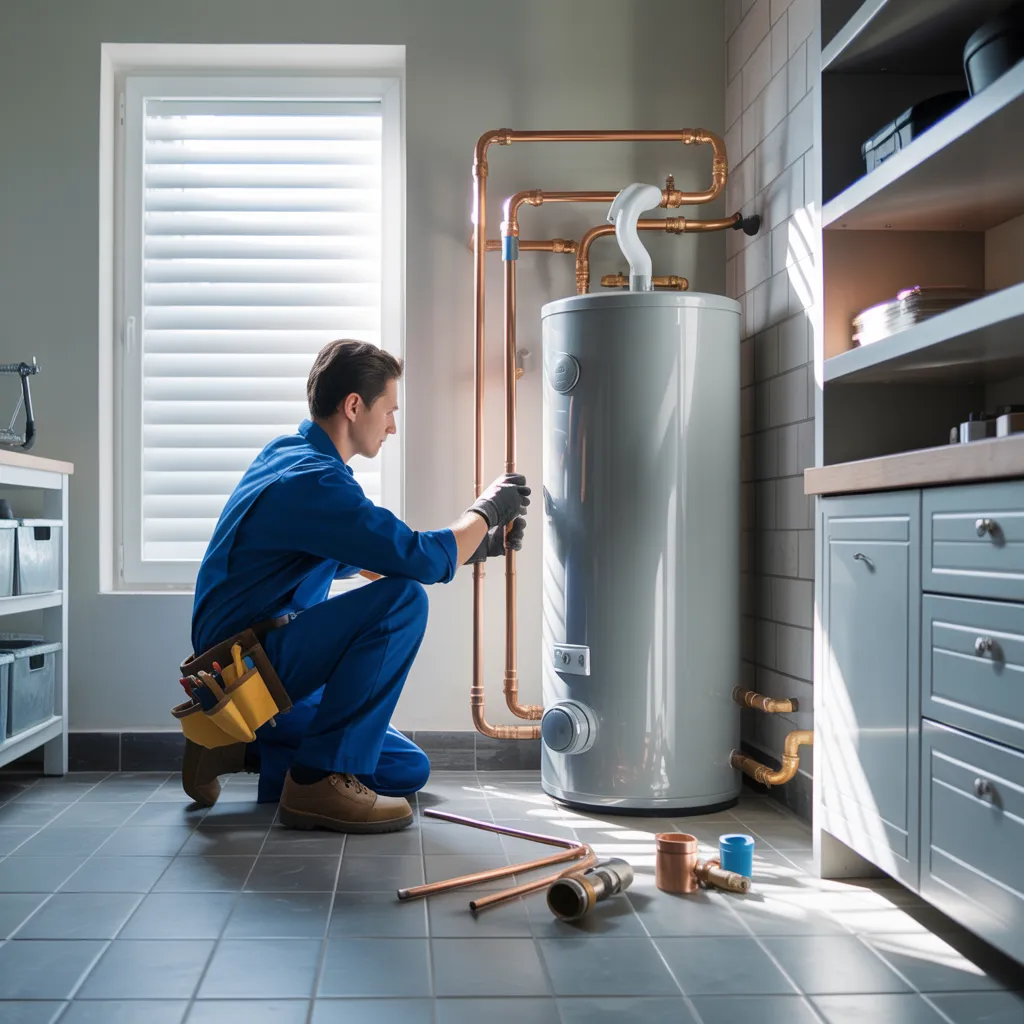
Choosing an Improper Size Water Heater for Your Installation
How does someone determine the right size for a water heater? Identifying the right size is crucial to guarantee effective water heating and comfort in a home. The initial step includes examining the home's highest hot water consumption, which typically occurs during the morning and evening hours. This can be estimated by considering the amount of bathrooms, kitchen appliances, and laundry facilities.
Moreover, one should also consider the recovery speed of the heater, which reflects how rapidly it can warm water after consuming its available supply. A water heater that is insufficiently sized will deprive occupants of enough hot water, while an unnecessarily large unit can cause unnecessary energy consumption and elevated expenses.
Don't Overlook Local Codes
When fitting a water heater, understanding knightsplumbingllc.com local regulations is essential to guarantee compliance. Neglecting to acquire the proper permits may cause significant fines and project setbacks. Working with experienced professionals can deliver key knowledge about local codes, assisting in avoiding potential complications.
Understand Local Regulations
Comprehending regional codes is vital for a smooth water heater installation. Compliance with these regulations guarantees safety, efficiency, and legality. Regional regulations often dictate particular standards regarding installation techniques, materials, and equipment. For instance, certain areas may have guidelines for venting, seismic bracing, or even the kind of water heater accepted based on environmental considerations. Not complying with these codes can result in costly fines, delays, or even the need for a total reinstallation. In addition, being aware of the regulations aids in selecting the correct size and model for the property's needs, maximizing energy usage. Residents should reach out to local building authorities or review official resources to develop a thorough understanding of pertinent requirements before proceeding with installation.
Obtain Required Permits
Obtaining the appropriate permits is a crucial step in the water heater installation undertaking. A number of homeowners tend to disregard this element, assuming it is unnecessary or too cumbersome. However, permits are frequently required by local codes and regulations to safeguard safety and conformity with building requirements. Failing to secure the required permits can lead to penalties, project setbacks, and possible liability concerns if the installation does not comply with safety standards. Additionally, permits often involve inspections that verify the installation's adherence to local building codes, safeguarding both the homeowner and the property. As a result, homeowners should investigate their local codes and acquire the proper permits before beginning the installation process, thus preventing issues and ensuring a seamless, compliant procedure.
Seek Professional Guidance When Needed
Many homeowners underestimate the challenging nature of water heater installations, which frequently causes them to disregard local codes. These codes, put in place to secure safety and efficiency, vary by region and can significantly affect installation procedures. Failing to follow them may result in legal penalties or unsafe conditions. Consulting professionals is essential, as they are equipped with the skills to manage these guidelines successfully. Professional installers keep pace with evolving codes and can help homeowners avoid costly mistakes. Additionally, experts are able to offer important guidance regarding the ideal water heater model for individual requirements. In the end, working with certified professionals not only secures conformity with local requirements but also improves the durability and efficiency of the water heating system.
Common Ventilation Mistakes That Affect Performance
Correct ventilation is critical for maximum water heater efficiency. Common mistakes include insufficient vent pipe dimensions and blocked ventilation routes, all of which can reduce effectiveness and create hazards. Resolving these problems is essential to ensure the system performs properly and dependably.
Insufficient Vent Pipe Sizing
Insufficient vent pipe sizing can greatly undermine a water heater's efficiency and safety. Correct venting is critical for the effective removal of combustion gases. When the vent pipe is inadequately sized, it obstructs airflow, leading to backdrafts that can cause hazardous carbon monoxide accumulation. This not only compromises the unit's efficiency but also presents significant health hazards to residents. Furthermore, oversized vent pipes can lead to inadequate draft, resulting in incomplete combustion and squandered energy. Choosing the right size is necessary for proper ventilation and operation. Homeowners should consult manufacturer specifications and local codes to establish the proper sizing for their specific water heater model, thereby eliminating costly oversights and guaranteeing safe performance.
Obstructed Ventilation Pathways
Clogged ventilation routes can significantly impair a water heater's performance and safety, following the issues posed by inadequate vent pipe sizing. Should vents be clogged with dirt, insulation, or structural elements, harmful gases cannot be released adequately. This could cause a dangerous buildup of carbon monoxide and decreased efficiency, causing the unit to work harder and consume more energy. Furthermore, improper venting can cause overheating, potentially damaging the water heater or creating fire hazards. Regular inspections and maintenance are essential to guarantee that ventilation channels stay unobstructed. Property owners should remain mindful of the placement of vents, avoiding areas prone to obstructions. Addressing these common mistakes can notably enhance the durability and security of a water heating system.
Incorrect Connection of Water and Gas Lines
It is critical to guarantee that joints are secure and properly fastened, utilizing appropriate fittings and materials designed for each line. Professionals recommend double-checking all connections and adhering to local codes and regulations to prevent mishaps. Moreover, choosing the right type of pipe and sealants is critical; for instance, gas lines require specific materials to guarantee safety and compliance.
Ultimately, taking the time to properly connect water and gas lines can save homeowners from costly repairs and dangerous situations, making it an essential step in the installation process.
Neglecting Energy Efficiency Ratings in Your Water Heater
How can homeowners ensure they select the most efficient water heater for their needs? One important factor to consider is the energy performance rating of the unit. Frequently, homeowners neglect this detail, leading to elevated utility bills and needless environmental harm. Water heaters are commonly evaluated by their Uniform Energy Factor (UEF) or Energy Factor (EF), which indicates their efficiency in converting energy into hot water.
Opting for a water heater with a better efficiency rating can considerably decrease operational costs over time. For instance, models with a UEF of 0.90 or higher are generally more efficient compared to less efficient ones. Additionally, energy-efficient units may be entitled to rebates or incentives, helping to offset installation expenses. Homeowners should prioritize these ratings and work with professionals to verify they choose a model that meets their needs while encouraging sustainable energy use. Ignoring this factor can cause long-term financial and environmental consequences.
How to Insulate Pipes and Tank Effectively
Insulating pipes and the water heater tank is essential for preserving energy efficiency and minimizing heat loss. Effective insulation limits heat loss, allowing water to stay warm for longer durations, which can result in reduced energy costs. To effectively insulate the water heater tank, homeowners can utilize a pre-cut insulating blanket, making sure it fits securely around the tank without obstructing any vents or controls.
When it comes to pipes, foam pipe insulation sleeves are highly advised. Such sleeves are simple to trim to the appropriate length and can be placed over both hot and cold water pipes. Particular care should be directed toward zones with considerable temperature variations, including basements or crawl spaces. Additionally, securing insulation with tape can further enhance its effectiveness. Routine inspections for deterioration are critical; any compromised insulation should be swapped out without delay to preserve optimal performance. Proper insulation not only enhances energy efficiency but also extends the lifespan of the water heater system.
When You Should Contact a Professional for Installation
When is it appropriate for homeowners to seek professional help for water heater installation? Multiple circumstances justify making this decision, especially when managing complicated systems or new technologies. For instance, should the installation include gas lines or demand electrical work, expert knowledge is critical to securing safety and conformity with local regulations. Moreover, homeowners without a background in plumbing or installation might run into obstacles that cause faulty setups, leading to leaks or poor performance.
Furthermore, if the existing unit is outdated or has unique configurations, a skilled technician can assess the situation accurately and recommend suitable solutions. Homeowners should also consider their time constraints; if they are unable to dedicate sufficient time to a DIY project, bringing in a specialist can spare both valuable time and possible aggravation. In the end, identifying one's boundaries and comprehending the challenges of water heater installation can help homeowners arrive at the best choice for their circumstances.
Commonly Asked Questions
How Much Time Does a Standard Water Heater Installation Usually Take?
A standard water heater installation typically takes anywhere from two to four hours, depending on the complexity of the system and existing plumbing. Aspects including accessibility and essential modifications may impact the length of the installation process.
What Tools Are Needed for a DIY Water Heater Installation?
Installing a water heater yourself necessitates key tools including a pipe wrench, adjustable pliers, screwdrivers, a drill, a level, Teflon tape, and safety gear. Adequate preparation ensures a more seamless installation and improved safety.
Can I Install a Water Heater in a Closet?
Indeed, a water heater can be installed in a enclosed space, as long as it complies with local building codes and ventilation standards. Enough space for routine maintenance and safety distances ought to be factored in throughout the installation procedure.
What Are the Signs of a Poor Water Heater Installation?
Evidence of a faulty water heater installation include inconsistent water temperatures, unusual noises, leaks, and poor hot water supply. Additionally, notable rust, moisture accumulation, or poor drainage may signal faulty installation methods or system failure.
What Is the Recommended Maintenance Schedule for My Water Heater After Installation?
Experts recommend inspecting a water heater at least once a year. This includes clearing out the tank, looking for any leaks, and examining the anode rod to ensure optimal performance and prolong the unit's lifespan.